PDF Catalogue or Online Catalogue: Which Does B2B Sales Need?
Compare PDF and online product catalogues by update frequency, search, archiving, cost and how buyers submit enquiries.
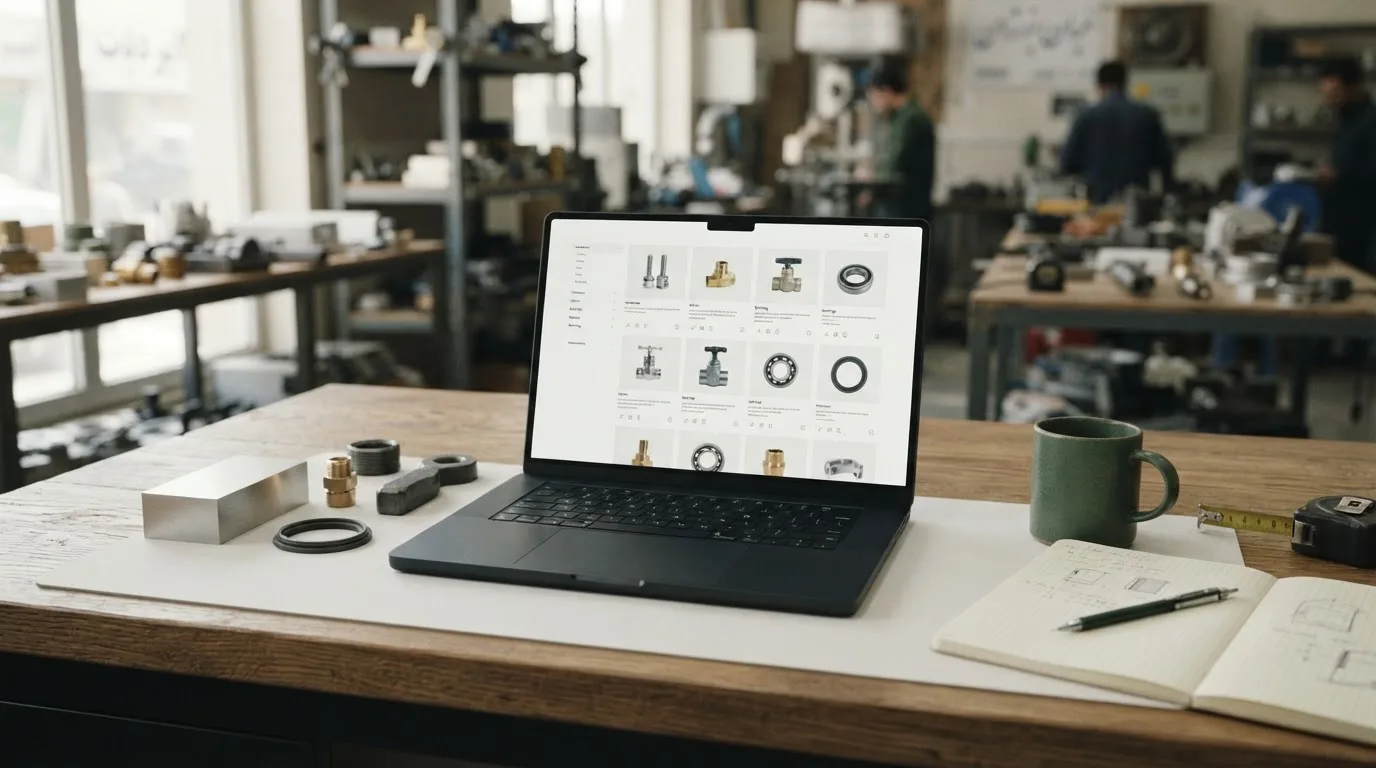
A B2B buyer may need a document to attach to a proposal, a way to find one product among hundreds, or a clear route to request a quote. Start with that task when deciding between a PDF and an online catalogue.
What each format does
A PDF catalogue is a downloadable, printable edition of your product information. Sales teams can email it, attach it to proposals and keep copies of previous editions. An online catalogue presents products on web pages that the team can update. It can offer search, filters, comparisons and an enquiry form.

When a PDF works well
Use a PDF when buyers need a dated edition for a proposal, a document they can print for a meeting or a reference they can open offline. It can also be practical when the range changes infrequently and the sales team already handles enquiries by phone or email.
Agree on who produces each edition and how the sales team will replace old copies. Once a buyer downloads a file, that copy remains as it was, even after a new edition is available.
When an online catalogue helps
A web catalogue can help buyers find products by application, size, material or another useful attribute. A product page can also carry the item code into a quote request, so the buyer and the sales team have a shared reference.
After the team approves and publishes a change, buyers can see it on the page. Keeping those records accurate still depends on who owns the data and how updates enter the catalogue. Add a process for changes before connecting it to other systems.
Compare cost, updates and the enquiry route
A PDF can be simpler to launch when the product information is ready. Each revision takes time to prepare, review and distribute. A web catalogue requires work up front on page templates, product data and search. The ongoing cost depends on the number of products, the features you need and the systems you connect.
Walk through the buyer’s next action with both formats. Can they identify the product, share its specifications and send the information your sales team needs? Decide who receives the enquiry and how they know which product it refers to.
Account for the limits of both formats
A PDF can include links and forms, though it offers limited room for live filters and structured enquiries. A web catalogue needs hosting, maintenance and a process for keeping data current. Some buyers may need an offline copy or work under policies that favour a downloadable document.
Worked example: a manufacturer with 200 products
Imagine a manufacturer whose specifications and prices change every few months. Some buyers want a dated file for procurement. Others need to search quickly across product families and ask for a quote. The team could maintain a searchable web catalogue for discovery and enquiries, then issue a dated PDF for proposals and offline use.
If you choose both, name the source of truth for product records and decide when a new PDF edition should be created. That gives the team a way to reconcile what is on the site with what buyers receive.
Write down five answers before choosing
- How often do product records, specifications or prices change?
- How do buyers need to search, filter or compare products?
- Who needs a printable or dated edition?
- What information should reach the person handling each enquiry?
- Who will maintain product data, and what time and budget do they have?
Bring those answers to a conversation with Ravand. For a related example, see the Thermopex project.